 Trust & Safety
Ask anyone in Nigeria why they hesitate to shop online and you'll hear the same story: money sent, goods never delivered — or delivered, but nothing like the photos. For years, "pay first and pray" was simply how online shopping worked here. It's the single biggest reason millions of people still prefer to pay cash in a physical store.
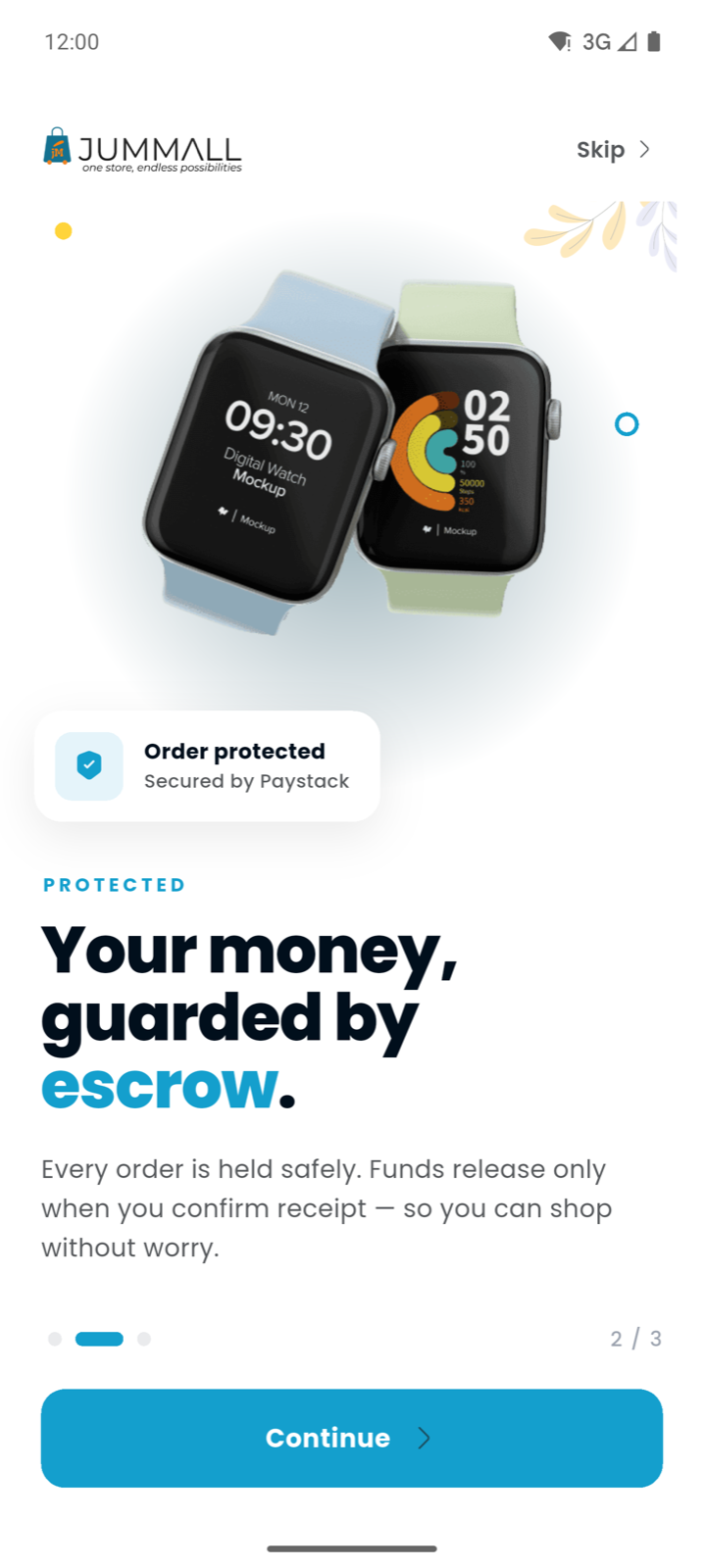
Jummall was built to end that gamble. The answer is a mechanism that's quietly transformed e-commerce around the world but is still new to many Nigerian shoppers: escrow. Here's what it is, how it works on Jummall, and why it makes shopping online genuinely safe.
The trust problem with online shopping in Nigeria
Most online fraud here comes down to one broken assumption: that you have to pay the seller before you can see what you're getting. Once your money lands in a stranger's account, you've lost all your leverage. If they vanish, send the wrong item, or ship something broken, your only options are to beg, threaten, or write it off.
Card chargebacks are slow and often fruitless. Bank transfers are final. And "trust me, I'm legit" is not a guarantee. The result is a market where good, honest vendors are tarred with the same brush as fraudsters — and where buyers stay anxious.
What is escrow, exactly?
Escrow is a simple idea with a powerful effect: a trusted third party holds the buyer's money until both sides have done their part.
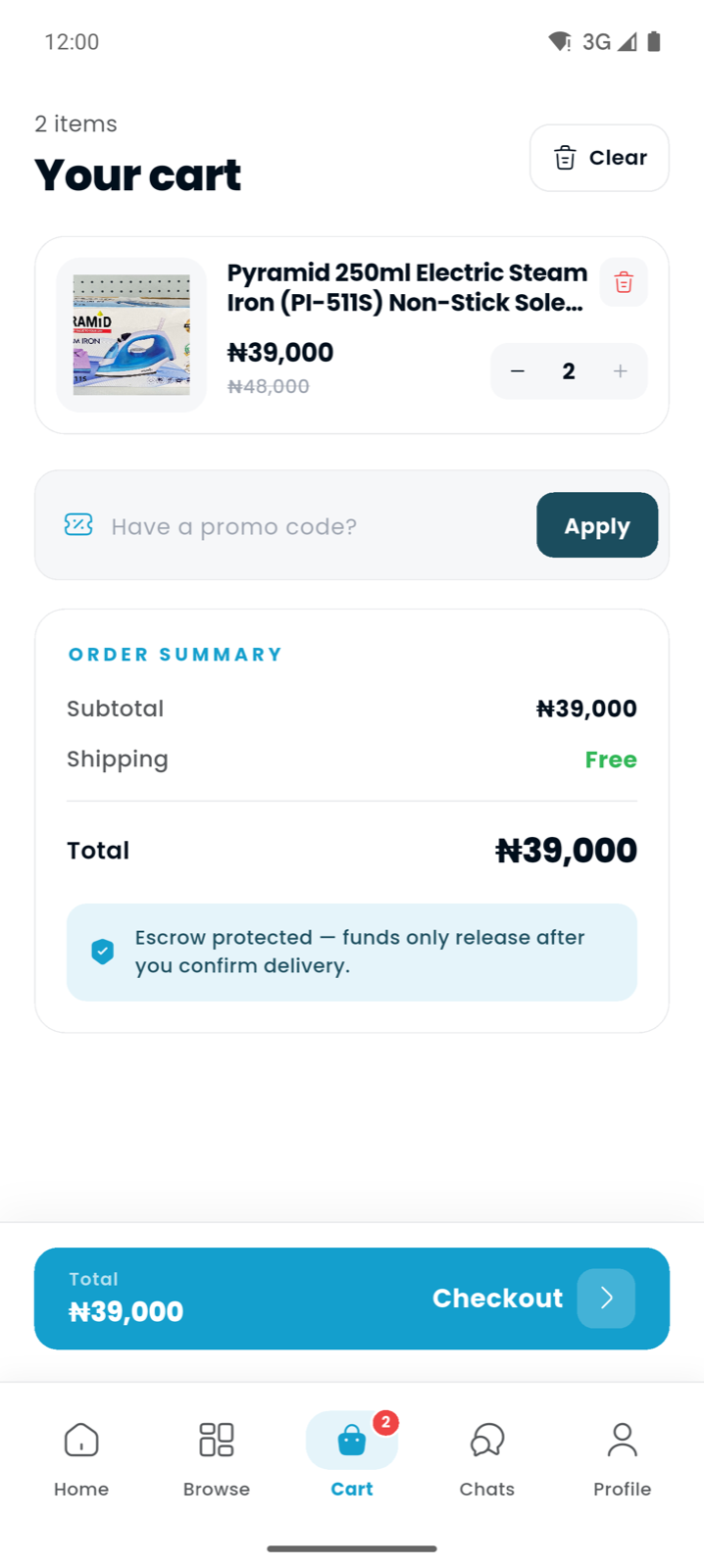
Think of it like a referee holding the prize money during a match. You pay, but the seller can't touch the funds yet. They ship your order. You receive it and confirm it's what you expected. Only then does the referee hand the money to the seller. If the deal falls apart, the money is still sitting safely with the referee — not gone.